
Elton John - Sorry Seems To Be The Hardest Word Ukulele Chords
Before you play, tune your ukulele and use the tools below to set up your view and flow. Using the Transpose tool, switch to A key to play this song with easier chords.
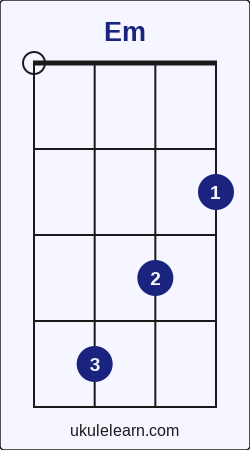
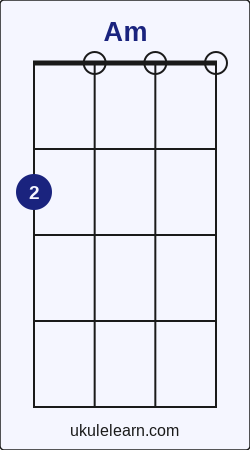
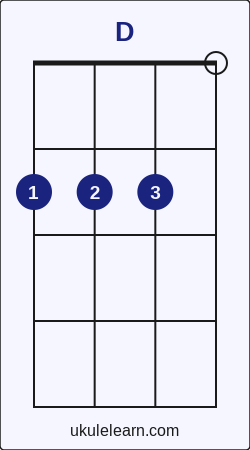
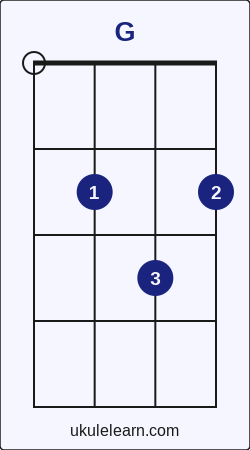
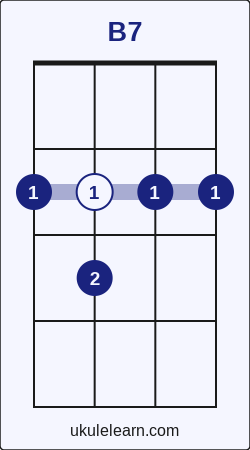
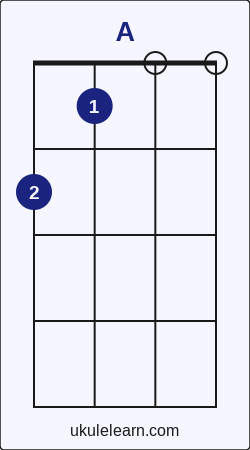
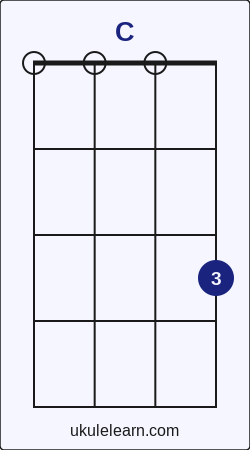
How to play Sorry Seems To Be The Hardest Word on Ukulele (Step-by-step)
Elton John - Sorry Seems To Be The Hardest Word on ukulele requires 7 chords and 12 core chord transitions. You can find the full step-by-step guide below. Before you start, tune your instrument. The song uses the ↓-↓↑-↓↑-↓↑ pattern; practice it muted first, or simplify to downstrokes while you learn the changes.
Sorry Seems To Be The Hardest Word uses these transitions most often: B7 → Em (11), Em → Am (6), and Am → D (5). These transitions may feel a little challenging at first, but with steady practice you can play this song quickly.When you are ready, begin with Em - Am chord transition.
1. Em → Am chord transition
To move from Em to Am:
- While playing Em, first lift your index finger and ring finger.
- Lift your middle finger from E string fret 3 and place it on G string fret 2.
This transition appears in the section, played 6 times.
2. Am → D chord transition
To move from Am to D:
- Lift your middle finger from G string fret 2 and place it on C string fret 2.
- Place index finger on G string fret 2.
- Place ring finger on E string fret 2.
This transition appears in the section, played 5 times.
3. D → G chord transition
Here's how to move from D to G:
- Lift your index finger from G string fret 2 and place it on C string fret 2.
- Slide your middle finger from C string fret 2 to A string fret 2.
- Slide your ring finger on E string from fret 2 to fret 3.
This transition appears in the section, played 5 times.
4. G → B7 chord transition
Switching from G to B7:
- While playing G, lift your ring finger from E string fret 3.
- Lift your index finger from C string fret 2 and place it on G string fret 2.
- Slide your middle finger from A string fret 2 to C string fret 3.
This transition appears in the section, played 4 times.
5. B7 → Em chord transition
Switching from B7 to Em:
- Lift your index finger from G string fret 2 and place it on A string fret 2.
- Slide your middle finger from C string fret 3 to E string fret 3.
- Place ring finger on C string fret 4.
This transition appears in the section, played 11 times.
6. D → Em chord transition
Switching from D to Em:
- Lift your index finger from G string fret 2 and place it on A string fret 2.
- Slide your middle finger from C string fret 2 to E string fret 3.
- Lift your ring finger from E string fret 2 and place it on C string fret 4.
This transition appears in the section.
7. Em → A chord transition
Switching from Em to A:
- While playing Em, lift your ring finger from C string fret 4.
- Lift your index finger from A string fret 2 and place it on C string fret 1.
- Slide your middle finger from E string fret 3 to G string fret 2.
This transition appears in the section, played 2 times.
8. A → C chord transition
Switching from A to C:
- While playing A, first lift your index finger and middle finger.
- Place ring finger on A string fret 3.
This transition appears in the section, played 2 times.
9. C → B7 chord transition
To move from C to B7:
- While playing C, lift your ring finger from A string fret 3.
- Place index finger on G string fret 2.
- Place middle finger on C string fret 3.
This transition appears in the section.
10. C → Am chord transition
Here's how to move from C to Am:
- While playing C, lift your ring finger from A string fret 3.
- Place middle finger on G string fret 2.
This transition appears in the section, played 2 times.
11. Am → B7 chord transition
To move from Am to B7:
- Lift your middle finger from G string fret 2 and place it on C string fret 3.
- Place index finger on G string fret 2.
This transition appears in the section, played 3 times.
12. Em → C chord transition
To move from Em to C:
- While playing Em, first lift your index finger and middle finger.
- Lift your ring finger from C string fret 4 and place it on A string fret 3.
This transition appears in the section.
Sorry Seems To Be The Hardest Word chord transition analysis
A short, data-driven summary of the chord flow in Sorry Seems To Be The Hardest Word.
- Sorry Seems To Be The Hardest Word includes 47 chord transitions, 12 of them unique.
- These transitions represent 0.01% of all chord transitions in Ukulelearn.
- Sorry Seems To Be The Hardest Word contains 3 of the top 10 transitions across Ukulelearn.
- These transition patterns show how Sorry Seems To Be The Hardest Word connects to the rest of Ukulelearn. Mastering them helps you move to similar songs faster.After Em, the most likely next chords across Ukulelearn are C (27%), G (18%), and D (18%).
- Em → C: 27%
- Em → Am: 12%
After B7, the most likely next chords across Ukulelearn are Em (58%), E7 (10%), and C (8%).- B7 → Em: 58%